Food Insecurity in the United States
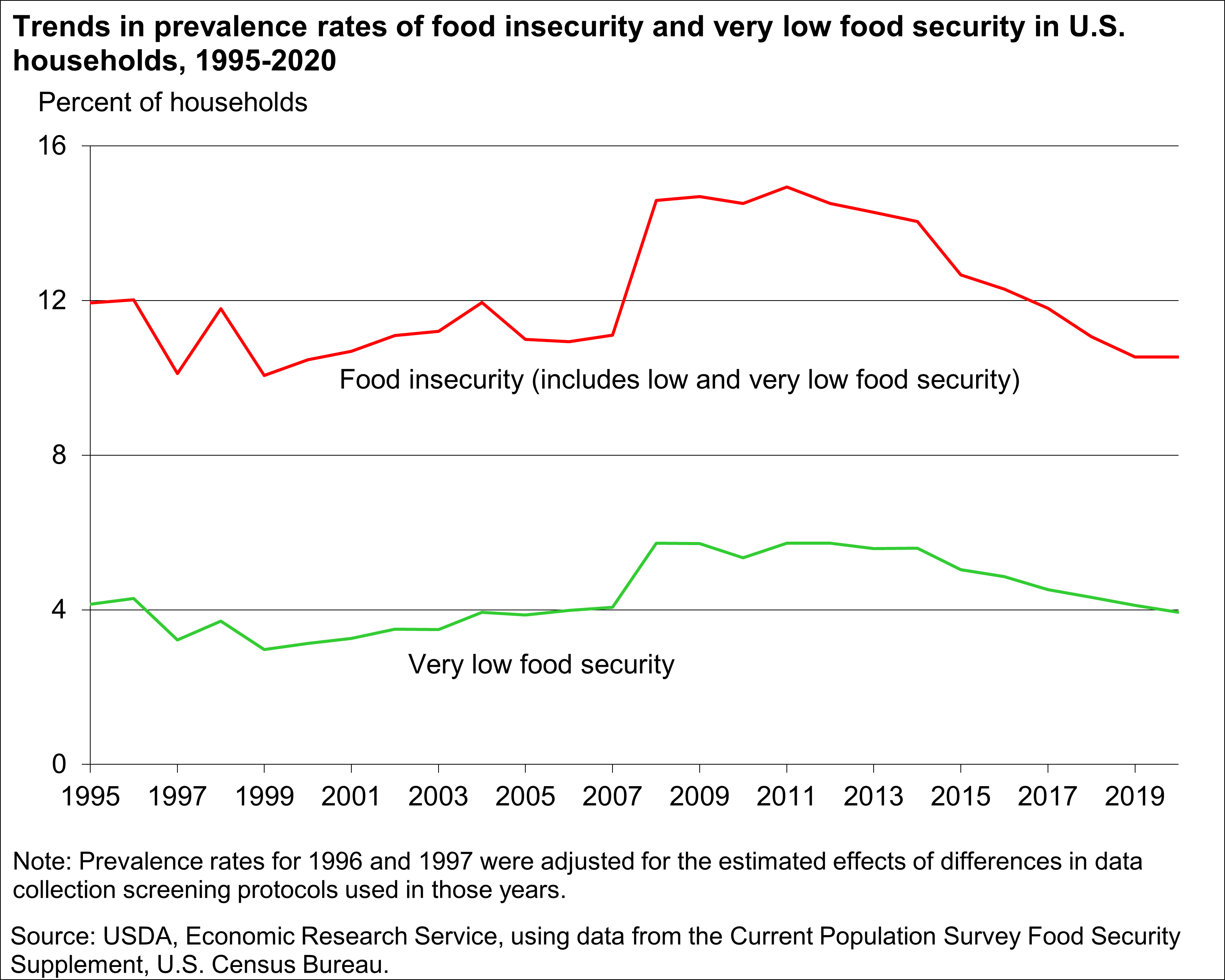
Food security is a measure of a household's ability to provide adequate food that is nutritionally valuable and sufficient. During 2020,10.5% (13.8 million) of U.S households were food insecure,meaning the quality and desirability of the food provided decreased. 3.9% (5.1) million U.S. households had very low food security indicating disrupted eating patterns and reduced food intake. Due to the hardships of Covid, an already difficult and urgent issue became more dire. Families that were living paycheck to paycheck are most at risk and many faced employment complications due to the pandemic. Food insecurity rates are the highest for single mothers and families below the poverty line.
For information about food security in the U.S please visit ers.usda.gov
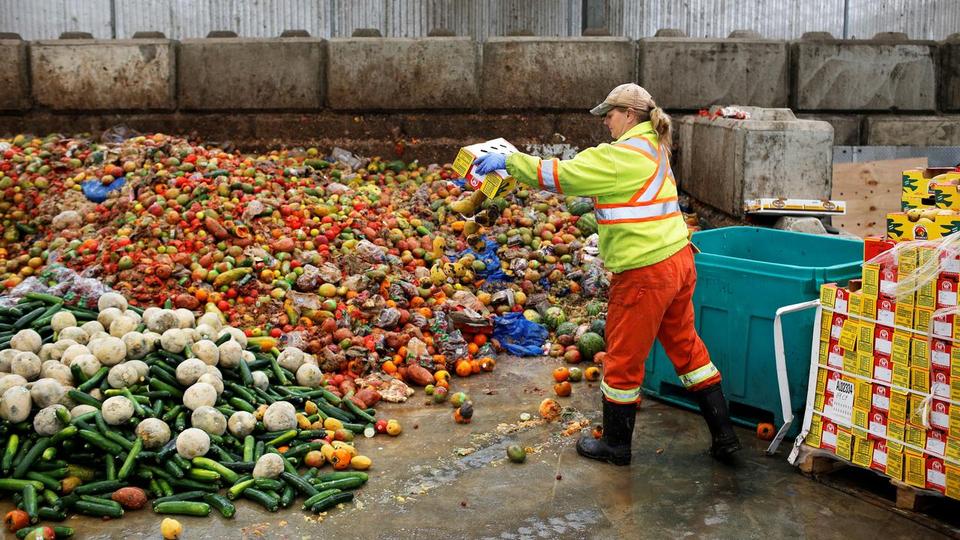
Restaurant waste
Food Waste refers to food that completes the food supply chain to the finished product but does not get purchased. In 2010, 133 billion pounds of food was wasted, with 31% being lost at the retail and consumer level. In a year each restaurant can be expected to lose between 25,000 and 75,000 pounds of food. Oftentimes, restaurants will throw away food that is ordered but not picked up, along with food that is created but not purchased. For more information about food waste in the U.S please visit pos.toasttab.com
How does waste contribute to climate change?
When organic waste decomposes, carbon dioxide and methane gas is created.<> Methane is created when there is no air present while carbon dioxide is the natural product when anything rots in air. Both carbon dioxide and methane are greenhouse gases, which contribute to global warming and climate change.

The Solution
Food4Need is a service that connects food insecure families with restaurants for the purpose of providing nutritional meals to the families and decreasing food waste that occurs in restaurants. This is done by creating a website where donors can create postings regarding excessive meals providing their company name, location, and description of meal. The meal postings from various restaurants are then visible to the recipients who in turn reserve individual meals and proceed to pick it up. This includes but is not limited to food that was ordered online but not picked up by the customer and meals that were cooked, but not purchased by any consumer.